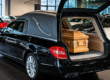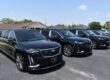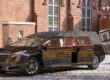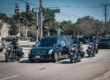


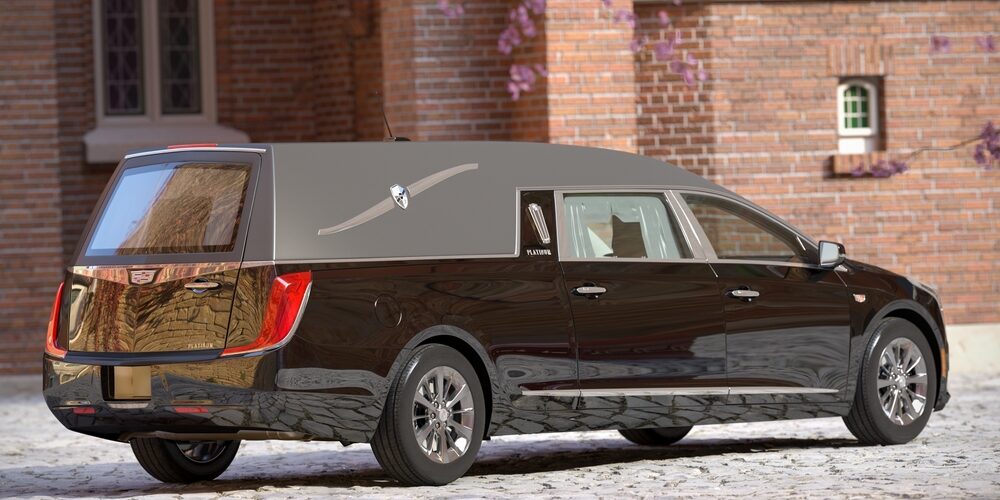
A hearse is the vehicle that carries the casket. A funeral car is the broader category: the full supporting fleet of limousines, Sprinter vans, SUVs, and escort vehicles that carries the family and keeps the procession orderly. The hearse is the centerpiece; funeral cars are everything around it.
The distinction matters more than it might seem. When a family asks for a funeral car, they may mean a limousine for relatives, or they may mean the hearse itself. Funeral professionals rely on precise terminology to deliver the right mix of vehicles for each service. This guide explains what each term covers, how the vehicles work together in a procession, and what California requires of the professionals who operate them.
What Is a Hearse?
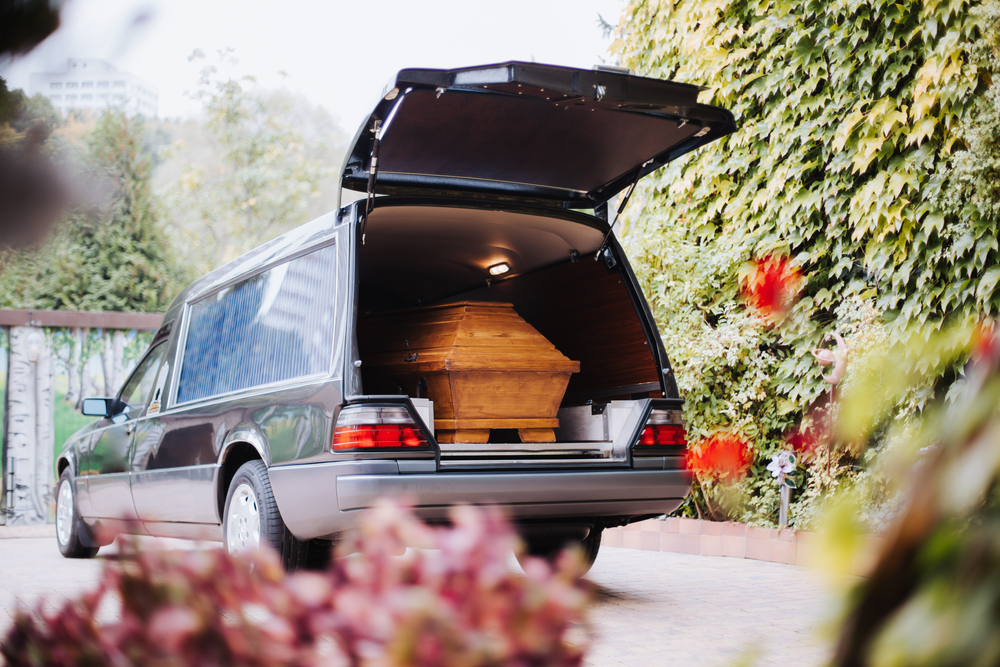
A hearse, also called a funeral coach, is a purpose-built vehicle designed to transport the deceased in a coffin or casket. The word traces back to the Latin herpex, meaning harrow, which entered French as herse. In the 17th century it described the ornate framework that held candles above a coffin; by the 19th century it referred to the vehicle itself.
Modern hearses are typically built in two stages. Automakers such as Cadillac and Lincoln supply the base chassis, and specialist coachbuilders construct the finished funeral coach on top of it. The coachbuilders CoachWest sells include Eagle Coach, Federal Coach, K2 Vehicles, MK Coach, and Platinum Coach. While black remains traditional, modern hearses are often available in silver, white, and other finishes to reflect cultural preferences.
What Counts as a Funeral Car?
Funeral car is the umbrella term for every vehicle that serves the funeral itself. Alongside the hearse, a complete fleet could include:
- Family limousines that carry immediate relatives directly behind the hearse.
- Sprinter vans and SUVs that move larger family groups or clergy comfortably.
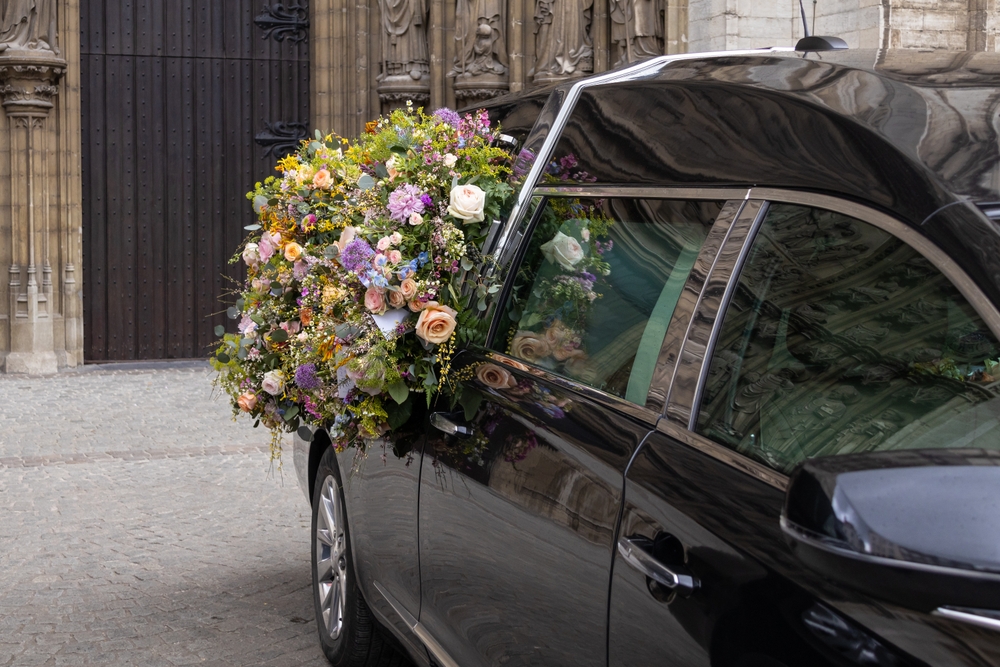
- Flower cars that transport arrangements to the service and graveside.
- Lead and escort vehicles that guide the procession and manage intersections.
One related vehicle sits outside the ceremonial fleet: the first call vehicle, usually a discreet van or minivan used for the initial transfer from the place of passing. It serves the funeral home, not the procession.
How They Work Together in a Procession
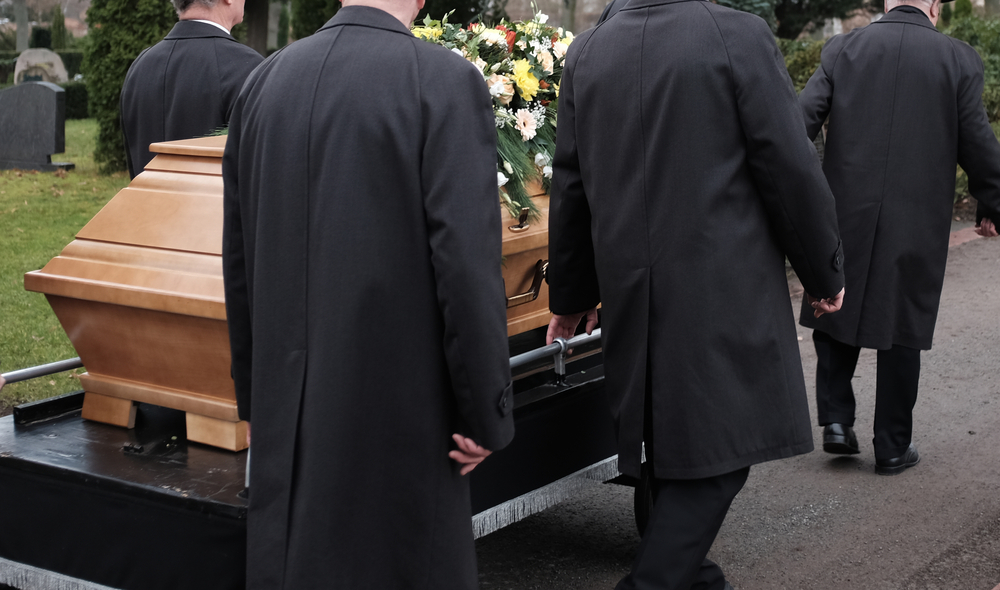
In a typical procession, a lead or escort vehicle sets the pace, the hearse follows as the focal point, family limousines come next, and other mourners follow behind. A well-run procession lets families focus on the moment while every vehicle plays a defined role. For a full walkthrough of procession order and driving etiquette, see the CoachWest guide to funeral car processions.
Funeral Processions and California Law
California gives processions specific legal standing. Under California Vehicle Code Section 2817, drivers may not disregard a properly identified funeral procession being escorted by law enforcement, and doing so is a citable offense. Processions are common throughout Los Angeles, Orange County, and the surrounding areas, and funeral directors are expected to run them smoothly and lawfully.
Compliance extends to the vehicles and the people who operate them. Charter operations generally require a TCP permit from the California Public Utilities Commission, and drivers of larger passenger vehicles typically need a Class B commercial driver’s license with a passenger endorsement. When students are transported, a SPAB certificate from the California Highway Patrol is also required. Working with a California based dealer that understands these requirements could save a fleet manager significant time.
Choosing the Right Vehicles for Your Fleet
For a funeral home, the fleet is part of the service the family experiences. A few practical considerations:
- Chassis and coachbuilder. Cadillac based coaches tend to project ceremonial tradition, while Lincoln models read sleek and modern. The coachbuilder determines the finished vehicle’s layout, features, and character. The CoachWest guide to major funeral car manufacturers compares the options in depth.
- New vs. pre-owned. A late model pre-owned hearse could deliver the same dignified presence at a different point in the budget. The funeral cars buying guide walks through the tradeoffs.
- Service and uptime. Maintenance history and ongoing service support determine how long a coach stays in front line service before moving to a secondary role.
CoachWest works with funeral directors across California who navigate these decisions every day, and pricing on every vehicle is provided by request so each director receives accurate, current information.
Find the Right Hearse or Funeral Car
Whether a funeral home is expanding its fleet or replacing an aging coach, CoachWest offers a complete selection of funeral vehicles, including Cadillac and Lincoln based hearses, family limousines, Sprinter vans, and specialty coaches from the industry’s leading coachbuilders. The team can compare available inventory, review new and pre-owned options, and coordinate next steps.
Hearse vs. Funeral Car FAQs
Yes. The two terms describe the same purpose-built vehicle: the one that transports the deceased with dignity at the center of the procession. Funeral coach is simply the industry’s more formal term.
No. Funeral cars may include limousines, Sprinter vans, SUVs, flower cars, and escort vehicles. Any vehicle serving the ceremony itself falls under the term.
A first call vehicle, often a discreet van or minivan, handles the initial transport from the place of passing. It is not part of the ceremonial procession.
Under California Vehicle Code Section 2817, drivers may not disregard a funeral procession that is properly identified and escorted by law enforcement. Interfering with an escorted procession is a citable offense.
The National Funeral Directors Association (NFDA) publishes resources for funeral directors and families, and CoachWest’s guides cover vehicle selection, procession etiquette, and California compliance in detail.